 Hardware
Gripper v2: lessons in mechanism design
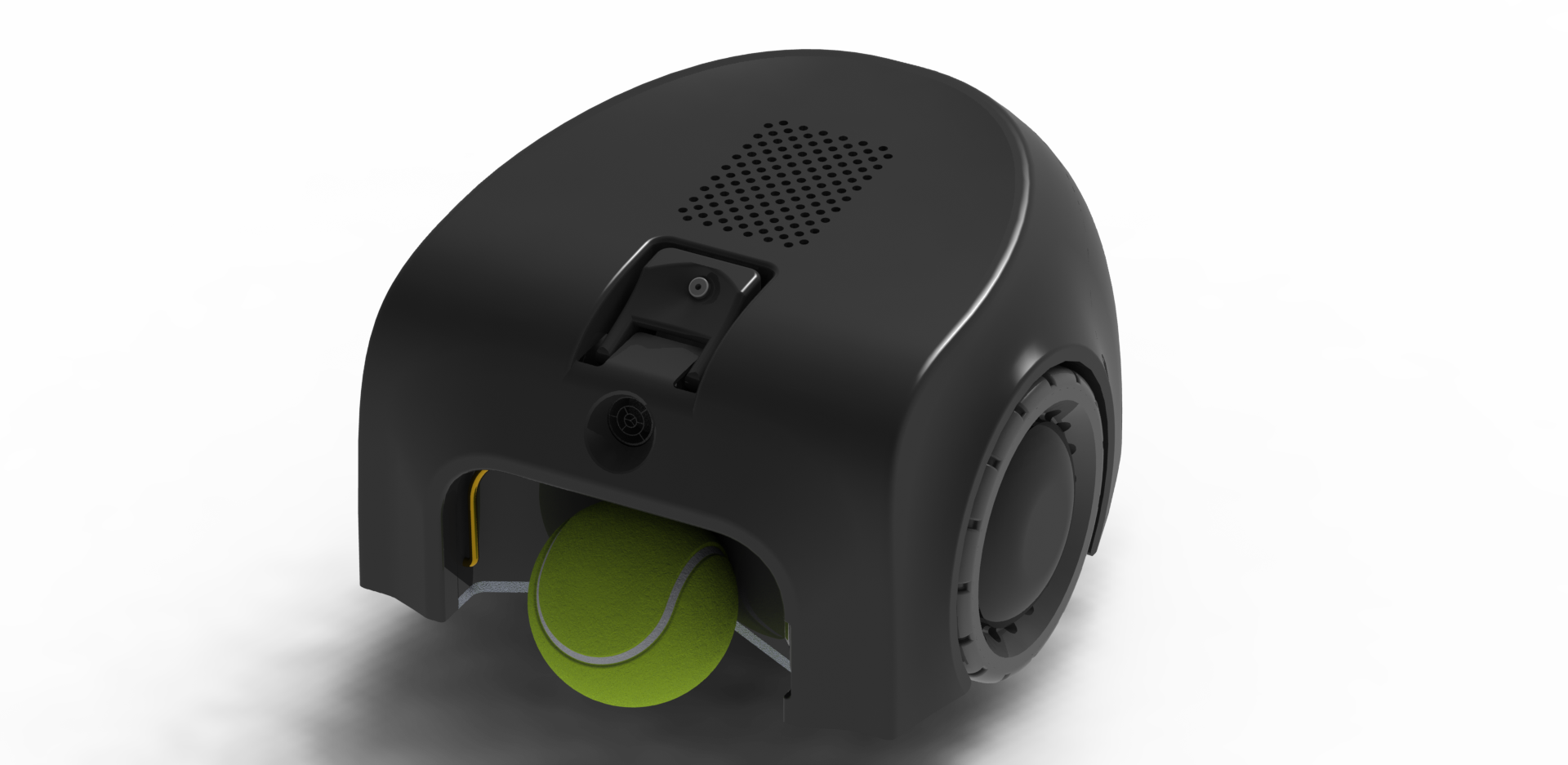
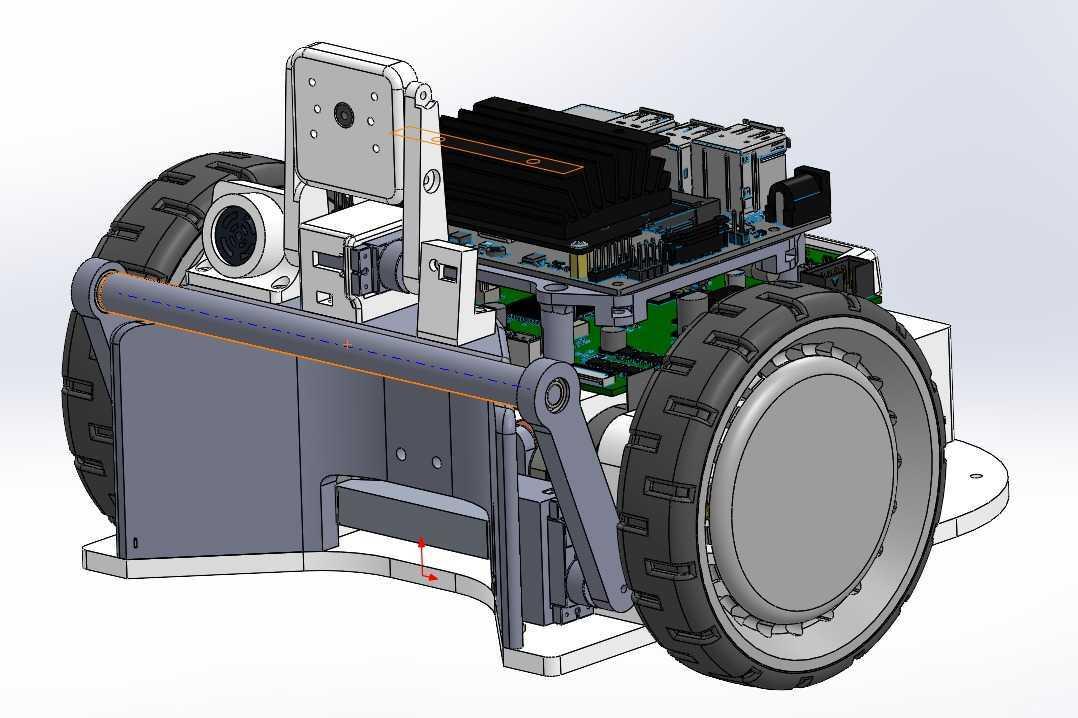
When we shipped Gen-1 (the acrylic scoop) to ten friends in late 2023, three things were obvious: it worked in the lab, it failed outside, and we couldn't ship it as a real product. Gen-2 was the first attempt to fix all three.
Here's what we learned tearing down v1 and rebuilding it.
What v1 got wrong
The passive scoop had no compliance. The ball had to roll perfectly into a fixed channel; any bump on the surface and the ball would either bounce out or jam. On a smooth gym floor it worked 9 times out of 10. On a real hardcourt it worked maybe 5 times out of 10.
The acrylic was also wrong. It scuffed quickly, it scratched the court surface a little, and it added zero shock absorption.
What v2 changed
Three things.
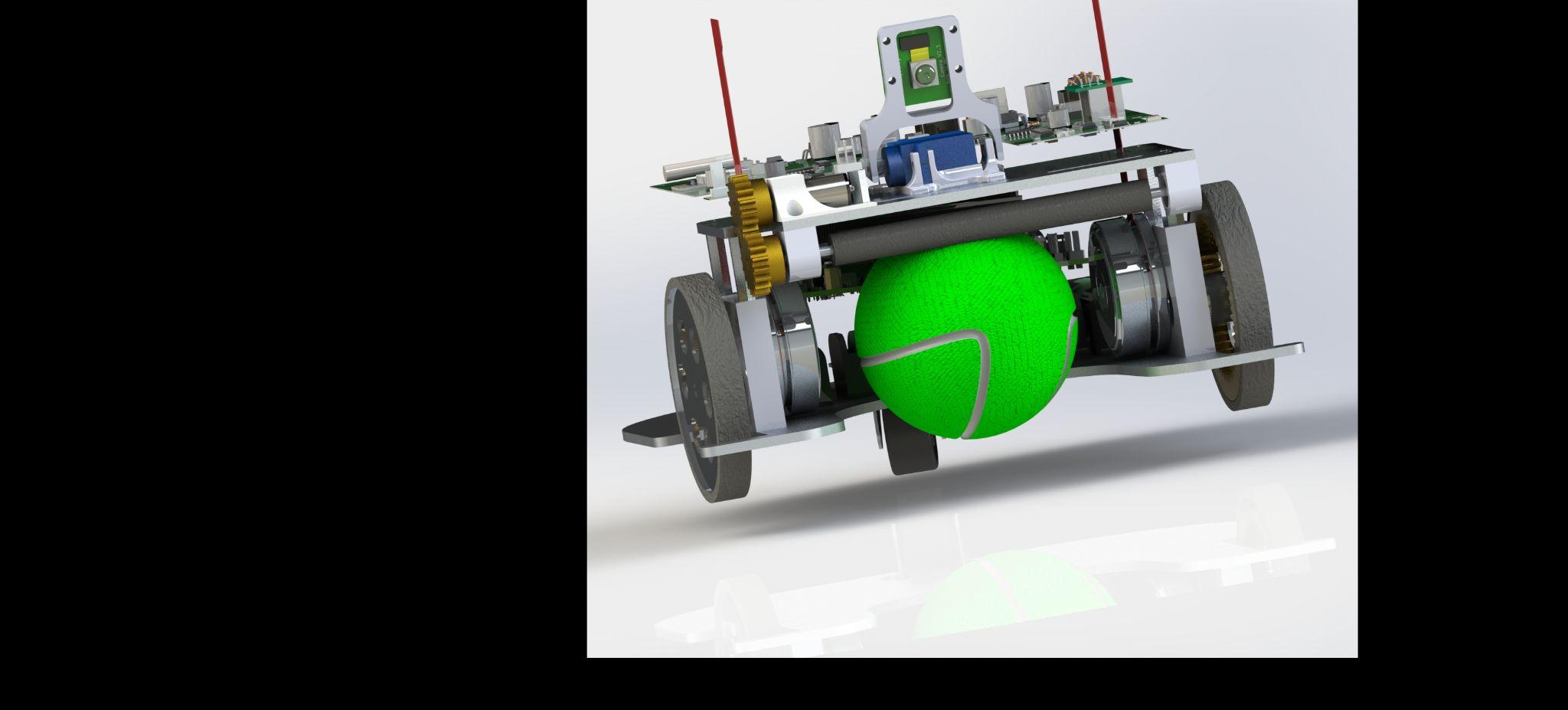
1. Active capture. Two counter-rotating foam rollers. The ball is pinched upward instead of relying on geometry alone. Compliance comes from the foam — it deforms around imperfect approaches. This was the right idea.
2. Soft contact with the court. The bottom edge of the unit got a TPU bumper instead of bare ABS. Better for the court, better for our reputation.
3. A real motor sizing exercise. The Gen-1 servo was massively underpowered for active capture. Gen-2 uses a brushed DC motor with a gearhead. We sized it from worst case — a damaged ball, on clay, after the rollers have ingested some grit. Then we doubled the safety factor. The result is a motor that's barely warm during normal operation, which is exactly what you want.
Where v2 went wrong
Foam wear. After about four hours of court time the rollers had visibly compressed. After 20 hours they were unusable. We tried four densities of foam — open-cell, closed-cell, EVA, neoprene. None lasted.
This drove us straight to Gen-3 (conveyor belt), which had its own problems, which drove us to Gen-4, which drove us to Gen-5. Each step changed one variable. Each step was the right step.
The lesson
If you're working on a novel mechanism, expect five generations. Plan the budget around five. Don't get attached to the second one. The fifth one will look almost nothing like the first, and that's how it should be.
— Sina