 Engineering
Shipping our 300th Vive — three years in

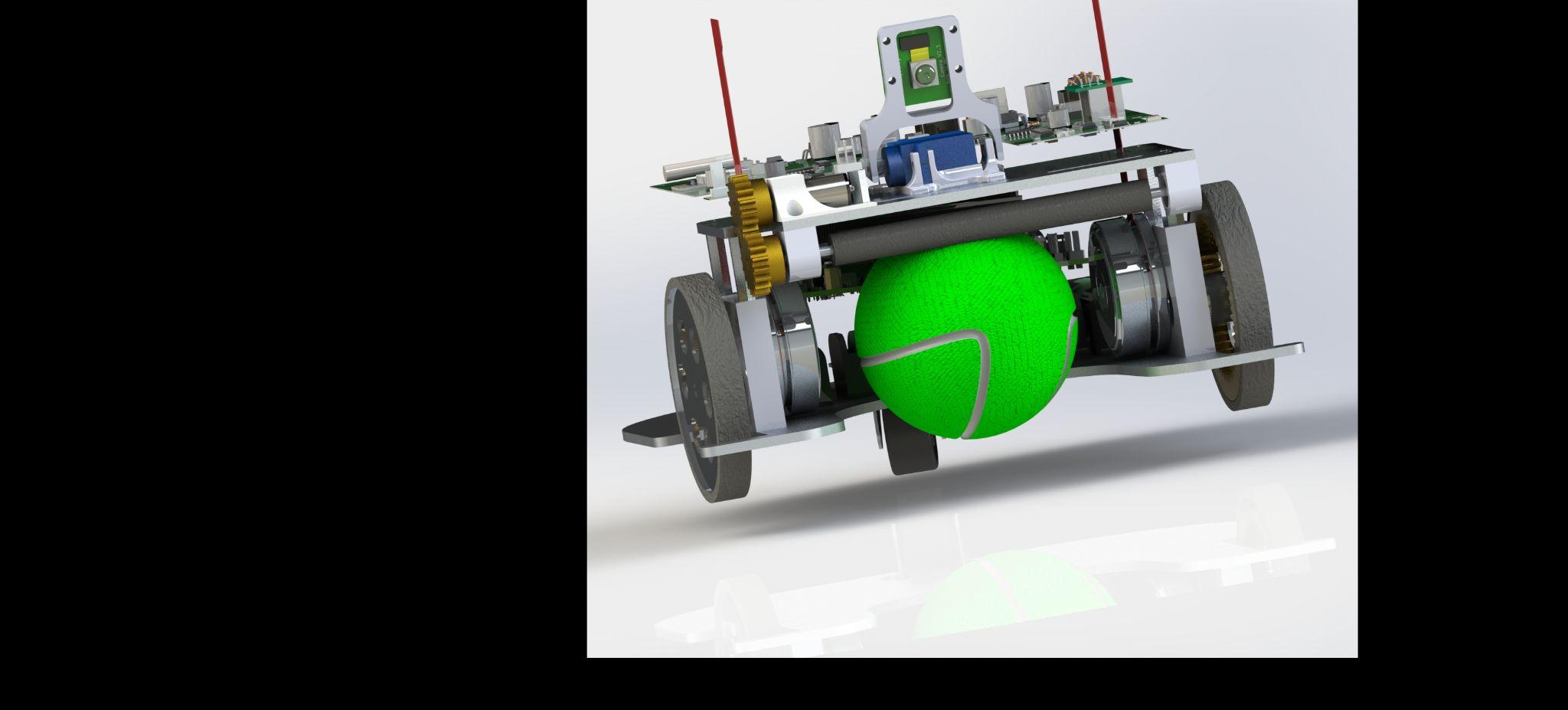
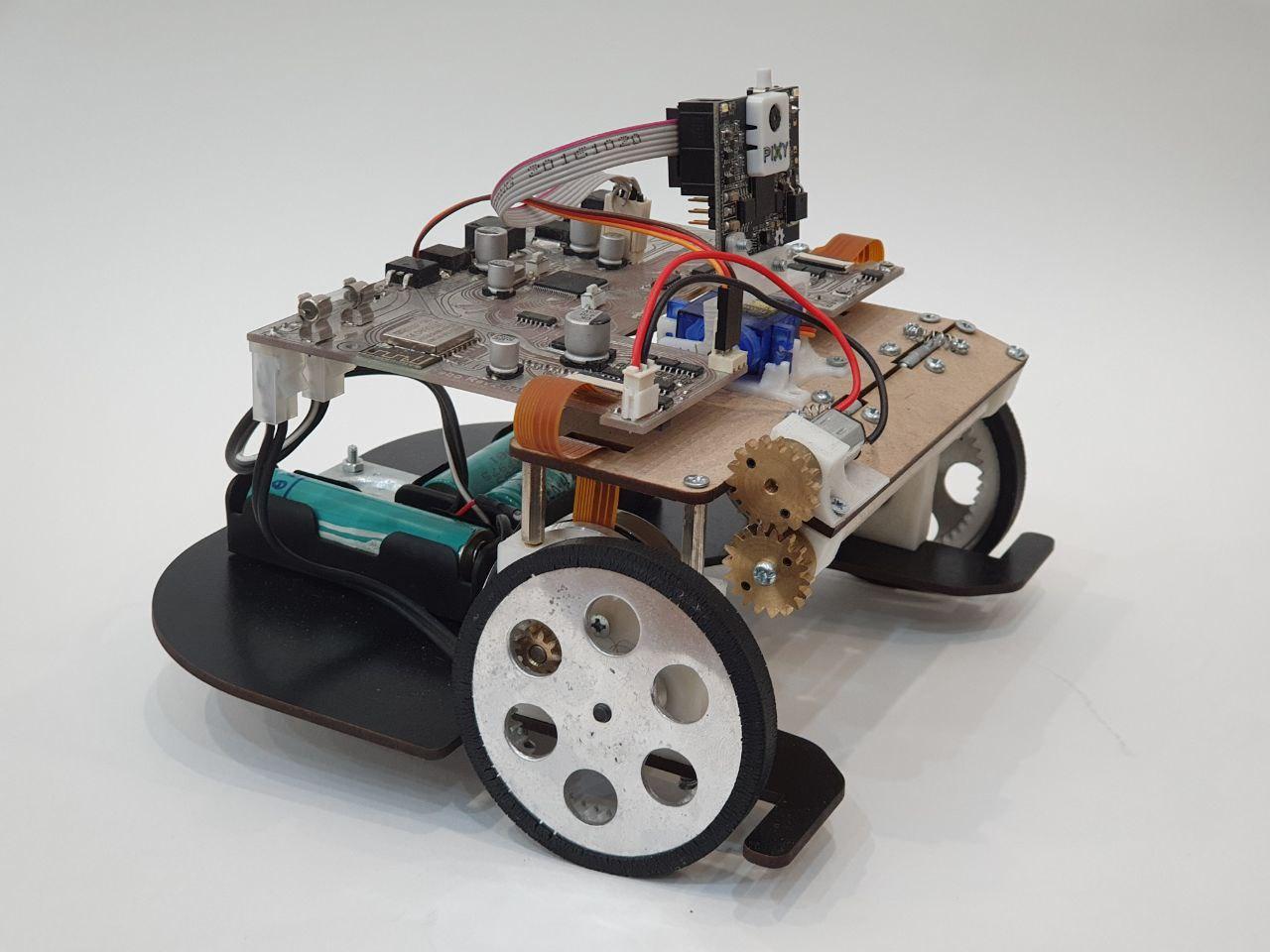
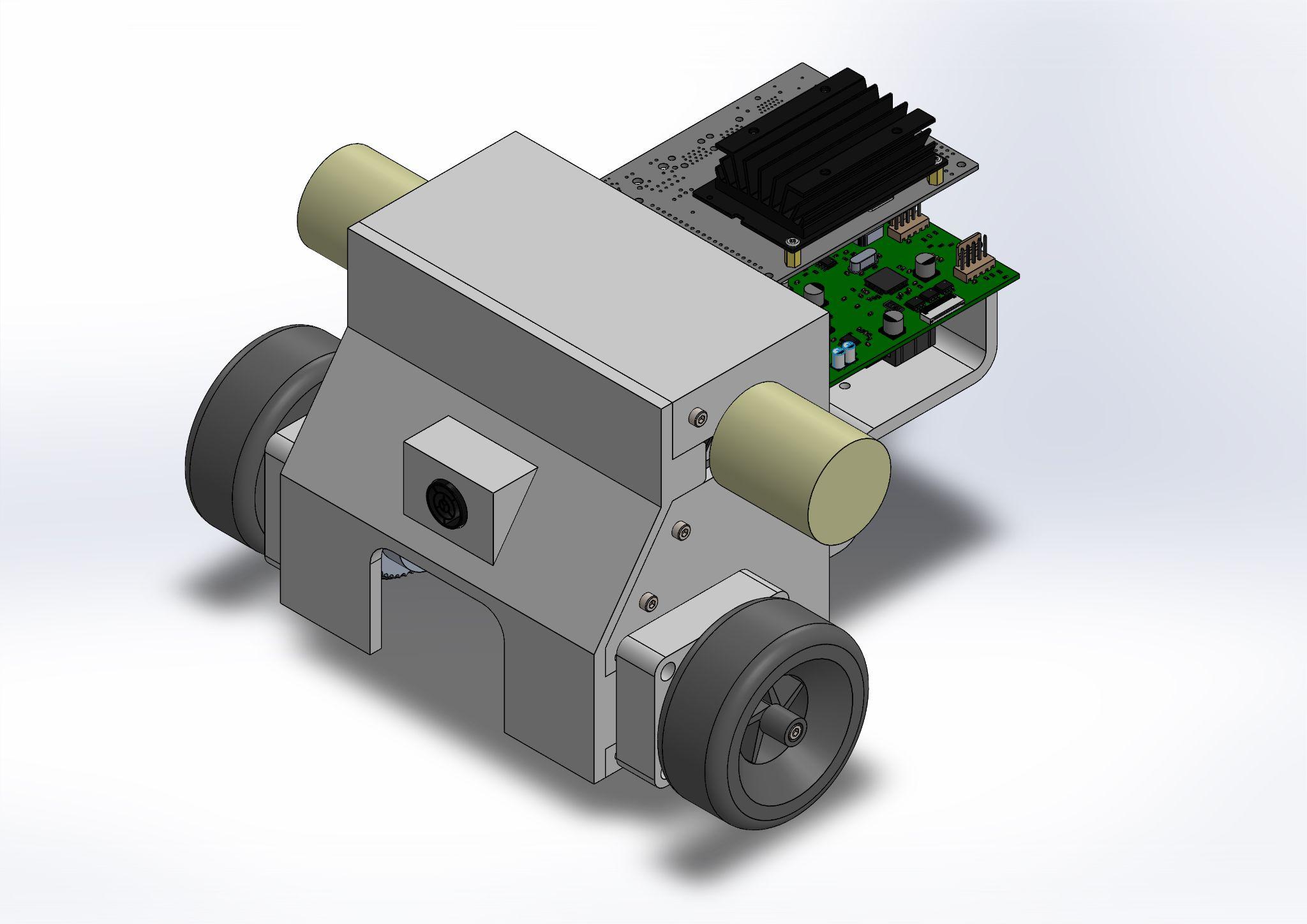
Last week we boxed up Vive number 300 in our Toronto lab, drove it to the post office on Yonge Street, and sent it on its way to a player in Calgary. It's a small moment for the customer — the unit shows up in two or three weeks like any other consumer-electronics purchase — but it's a big moment for us. Three years ago we had a 3D-printed prototype, a scoop made out of bent acrylic, and a Jupyter notebook running a YOLOv5 model on a laptop next to the court. Today we ship a real product.
I wanted to spend this post on the numbers, because the arc is more interesting than any single year.
The arc
Here's what we shipped, year by year:
- 2023 — 10 units. The "founder units." Friends, family, and the first six customers who paid $599 sight-unseen because they trusted us. Each unit took roughly four working days to assemble.
- 2024 — 32 units. The year we proved the production process. We changed gripper suppliers twice. We pivoted the capture mechanism. We sent one unit back from Vancouver because the customer's labrador had chewed the wheel — and we redesigned the wheel to be chewable next time.
- 2025 — 278 units. The year the line worked. We finally hit a build rate of one unit a day, then two. By December we were shipping every weekday.
That's 9× growth from 2024 to 2025. In SaaS that would be a fundable story. In hardware it's a story about the lab. We didn't ten-X our marketing — we ten-X'd our build rate.
What broke
A lot.
The first ten units used a gripper geometry we abandoned in early 2024 because it failed on clay. The next batch had a battery vendor change that gave us a 9% return rate before we caught it. The Kickstarter we were "weeks away from launching" through most of 2024 didn't happen in 2024 at all — it's now planned for the second half of 2026, because direct sales were enough to sustain the company through 2025 and we wanted production to be boring before a crowdfunding campaign forced us to scale.
That last one is the most important lesson. If your product is good enough that direct customers will pay $599 unprompted, build the company on those customers first. Crowdfunding is leverage, not a starting line.
What surprised us
Three things, in order of how much they shifted our plans.
1. Clubs called us. We expected this to be a recreational-player product, sold one at a time. But by Q3 of 2025, four Ontario tennis clubs had reached out about pilot programs. We're now running a small B2B pilot in 2026 alongside the direct-to-consumer business. Different price point. Different conversation. Probably different unit altogether eventually.
2. The repair rate is shockingly low. Out of 320 shipped units, we've had 14 come back for service. Mostly first-batch issues that are now fixed at the factory. We were expecting ~10% in year one; we're at 4.4% lifetime.
3. Word of mouth works on courts. About a third of our 2025 orders came from "I saw one at my club" or "my doubles partner has one." There's no marketing strategy in the world that beats putting a yellow-wheeled robot on a public court for an hour.
What we're doing differently for the next 1,000
Three things we'll change to scale from 300 → 1,000+ by the end of 2026.
- One supplier per part, not two. Dual-sourcing felt smart at 50 units. At 250, it was just doubling the QA work.
- Hire ops earlier. Mitra is now full-time on operations and it's already paid for itself. We should have done that in early 2024.
- Field testing as part of every build batch. Every 50 units, we pull a random unit off the line, take it to a real court in Toronto, and play with it for an hour. It catches things QA can't.
If you're one of the 320 — thank you. We're here because you paid for a product before there was much of one to pay for. The next 700 will be better because of you.
— Behzad
Founding investor, Vive Tennis Inc.