 Design
Sep 2025

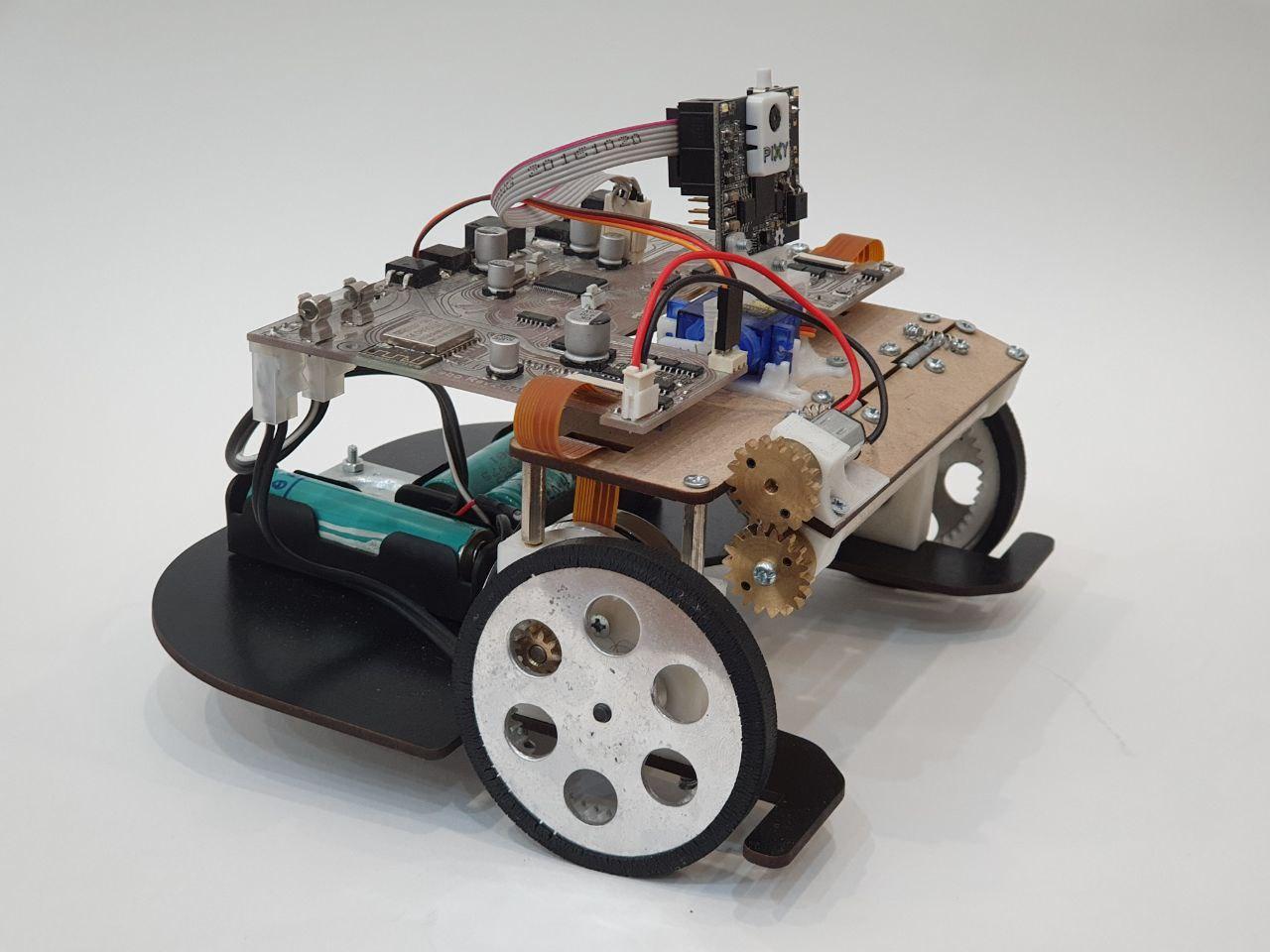
For the first eighteen months of Vive Tennis, the product looked like what it was: an engineering prototype. The chassis was 3D-printed PLA. The wheels were whatever the gearmotors came with. The "case" was four screws and a hope.
By late 2024 we knew we had to bring in a real industrial designer. Here's what we looked for, how we screened, and why the hire reshaped the production unit.
Three things, in order of importance:
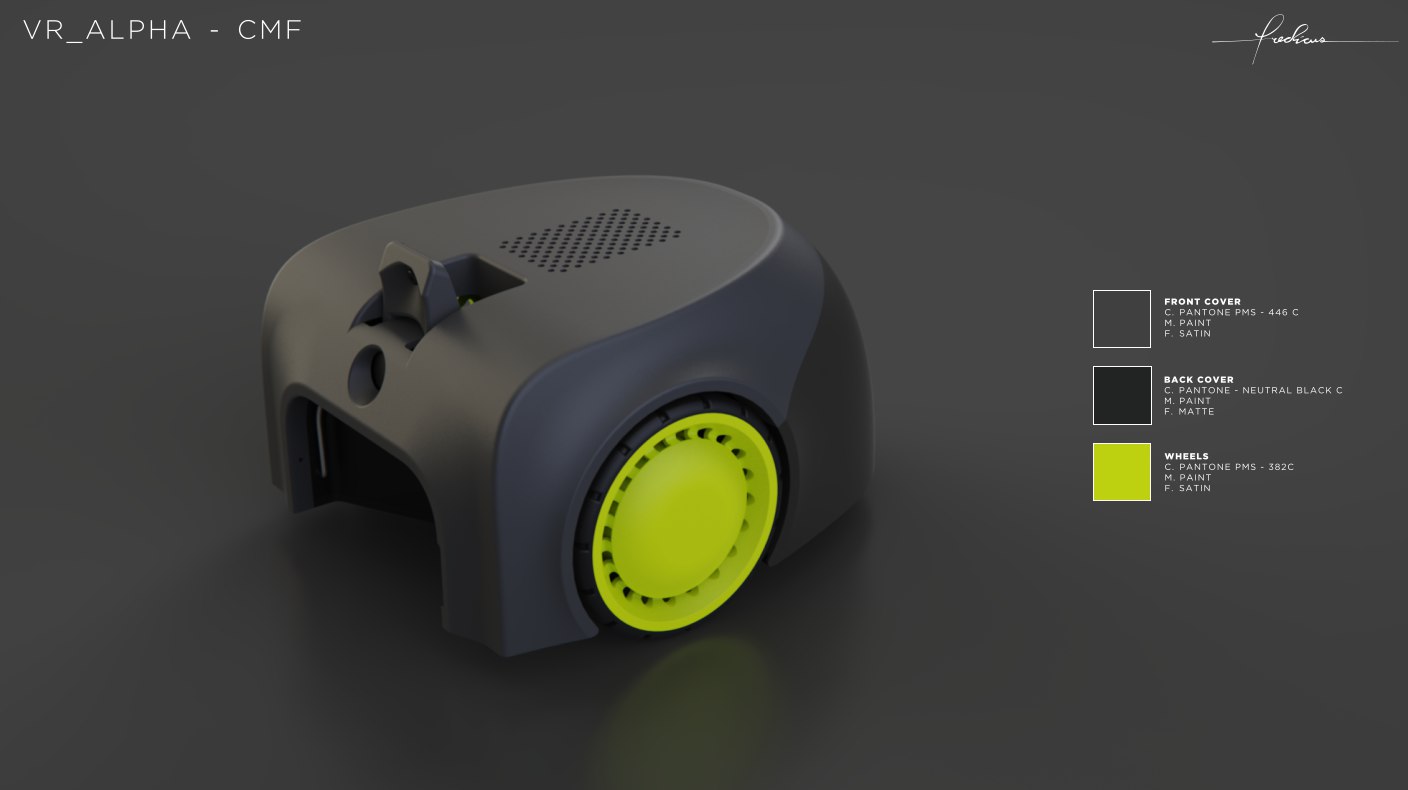
1. CMF (colour, material, finish) instinct. Hardware that ships to consumers lives or dies on CMF. We needed someone who could look at a 446 C front cover and tell us why it should be matte, not satin, and what that does to the perceived weight of the product.
2. DFM (design for manufacturing) literacy. A beautiful render is worthless if no factory can produce it under $X per unit. We screened for portfolios that included shipped consumer products, not just concept pieces.
3. Sport-product taste. Tennis is a culture. We didn't want someone who'd design us another consumer-electronics black box. We wanted someone who understood the visual vocabulary of premium sport.
We did three rounds:
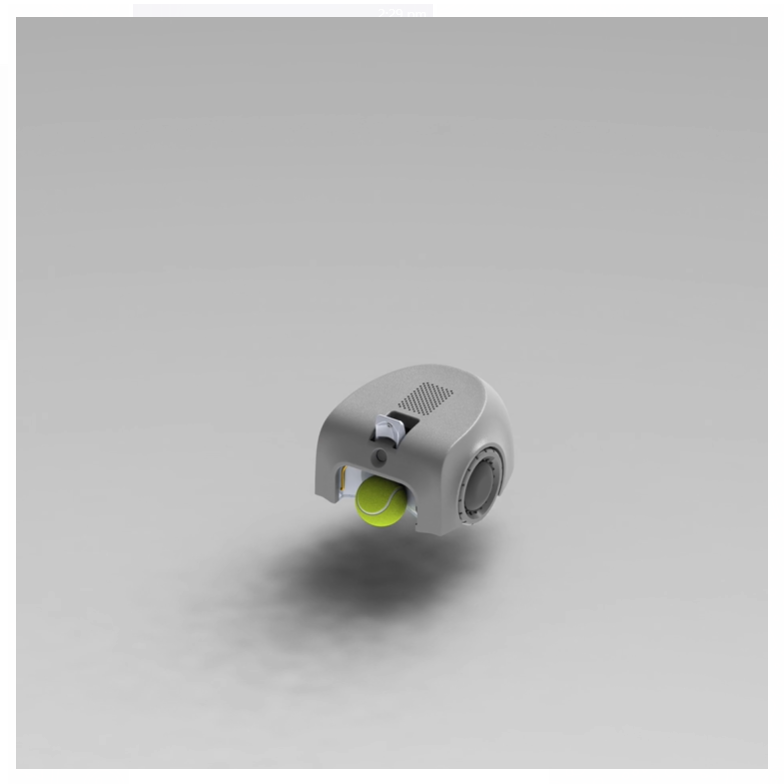
Ernesto joined late in the process, after 15 years at Nike and Home Depot. He completely reshaped the production unit. The front cover went from a flat panel to a sculpted shoulder. The wheel CMF moved from "tennis yellow" to Pantone 382 C. The grain pattern on the rear panel hides moulding marks that were visible on the v1 unit.
None of that affected the function. All of it affected the feeling. A consumer hardware product is a thing people put on a shelf when they're not using it. It has to deserve the shelf.
— Mitra