 Hardware
Manufacturing in Canada vs overseas

We assembled Vive Tennis prototypes in three countries before settling on the production split we use today. This post is the unromantic breakdown of what each option actually costs and what each gets you.
The three places we tried
Toronto (Canada). The lab. Low fixed cost, fast iteration, easy to ship Asia-origin parts in and run final assembly on the bench. Labour cost: high. Suitable batch size: 1–50.
Shenzhen (China). Where the contract manufacturers I'd worked with for 20 years live. Low unit cost at scale. But: month-long lead times on small batches, real friction visiting on each iteration, IP considerations for the gripper. Suitable batch size: 500+.
Istanbul (Turkey). We tried this for a 2024 mid-batch. Cost between Canada and China. Tariff treatment favourable for export to the EU. Quality good. Suitable batch size: 100–500. But: harder logistics for North-American customers.
The split we use today
For 2025 production we settled on this:
- Toronto: R&D, design, firmware, quality engineering, final assembly + QA on every unit. 100% of units that ship to customers touch the Toronto lab.
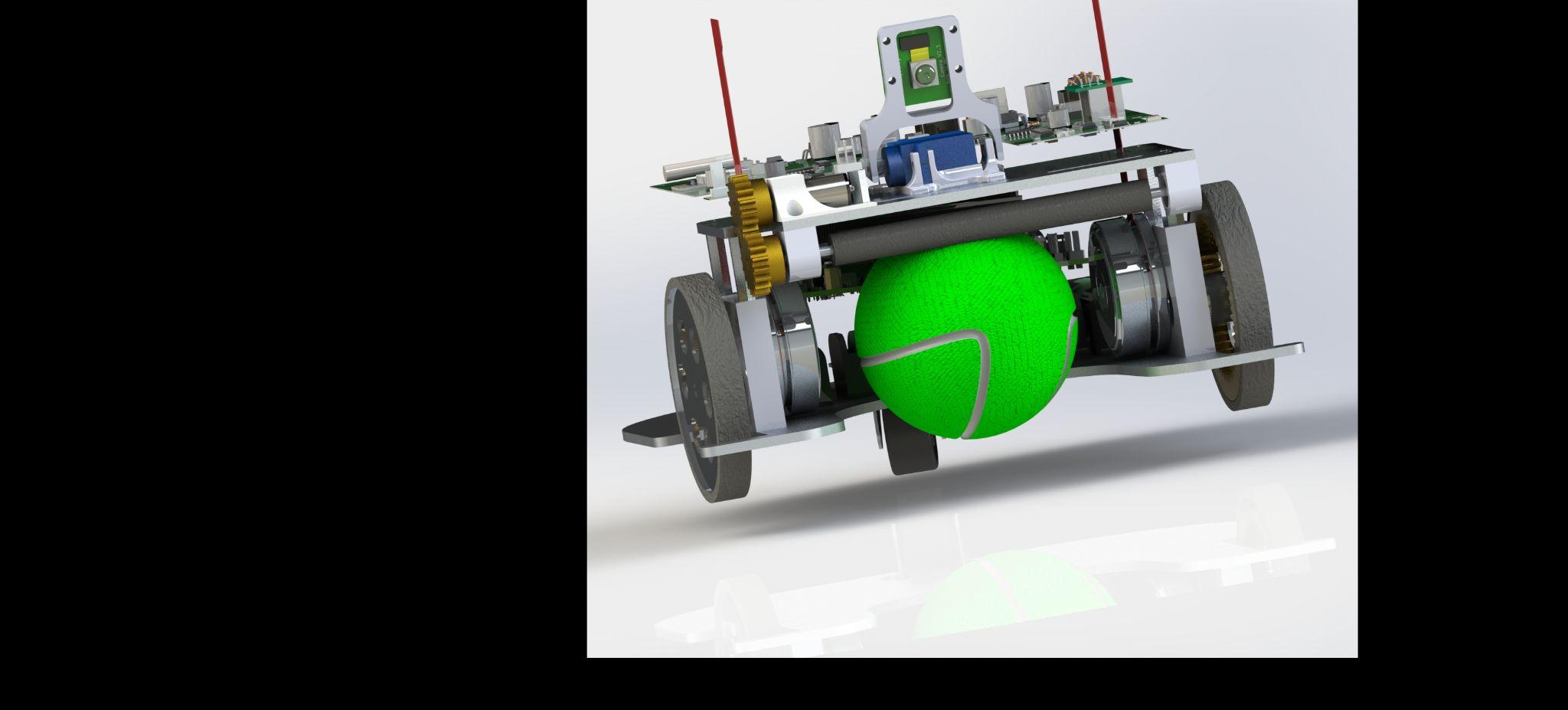
- Shenzhen: Sub-assemblies. The gripper module, the wheel module, the chassis. We import these as kits.
- Turkey: Currently dormant for production. We may re-activate it when we have an EU customer base.
Why the split makes sense
Three reasons.
1. IP stays here. The interesting IP — the gripper geometry, the perception pipeline, the firmware — is designed and integrated in Toronto. The Shenzhen partners get drawings and tolerances, not the system-level design.
2. Final-assembly QA is the bottleneck. If something is going to fail, it fails at the integration step. Doing that here, where we can debug in person, saves us weeks.
3. Customer experience. A Canadian customer ordering on Tuesday and receiving on Friday next-month is a fundamentally different experience from ordering and waiting six weeks for an overseas shipment. The split lets us hold finished-goods inventory in Toronto and ship same-week.
The unit economics
I won't put the full BOM here, but at 250 units a year, our weighted-average cost per unit is roughly 60% of what a full-Toronto build would cost, and 110% of what a full-Shenzhen build would cost. The 10% premium over full-Shenzhen buys us all of the above. Cheap insurance.
— Shahriar