 Company
Why we're building Vive Tennis


This is the first post. Some of it will look obvious in retrospect. Some of it will look wrong. That's the trade you make when you write something at the beginning.
The premise
Tennis is one of the best-loved recreational sports in the world. There are roughly 87 million players, and the population is growing — post-pandemic, in particular. The recreational player base is also unusually high-income: club memberships, premium racquets, connected fitness wearables, $250 stringing jobs. People spend on tennis.
And yet, the in-session experience has one universally annoying problem: half of your court time is spent picking up balls. If you and a partner play a 90-minute hit, you'll bend over to collect balls more than 100 times. Existing solutions — court runners, ball tubes, hopper carts — are either expensive, slow, or built for clubs, not players.
That's the gap we're building into.
Why us
Five engineers and operators with hardware experience. Two former RoboCup champions doing perception and the electromechanical stack. A serial entrepreneur on manufacturing and supply chain. Operations and sales experience that's already shipped product in international markets.
And me — a founding investor who's put real money behind this team because I've seen them ship hardware before.
Why now
Three things came together.
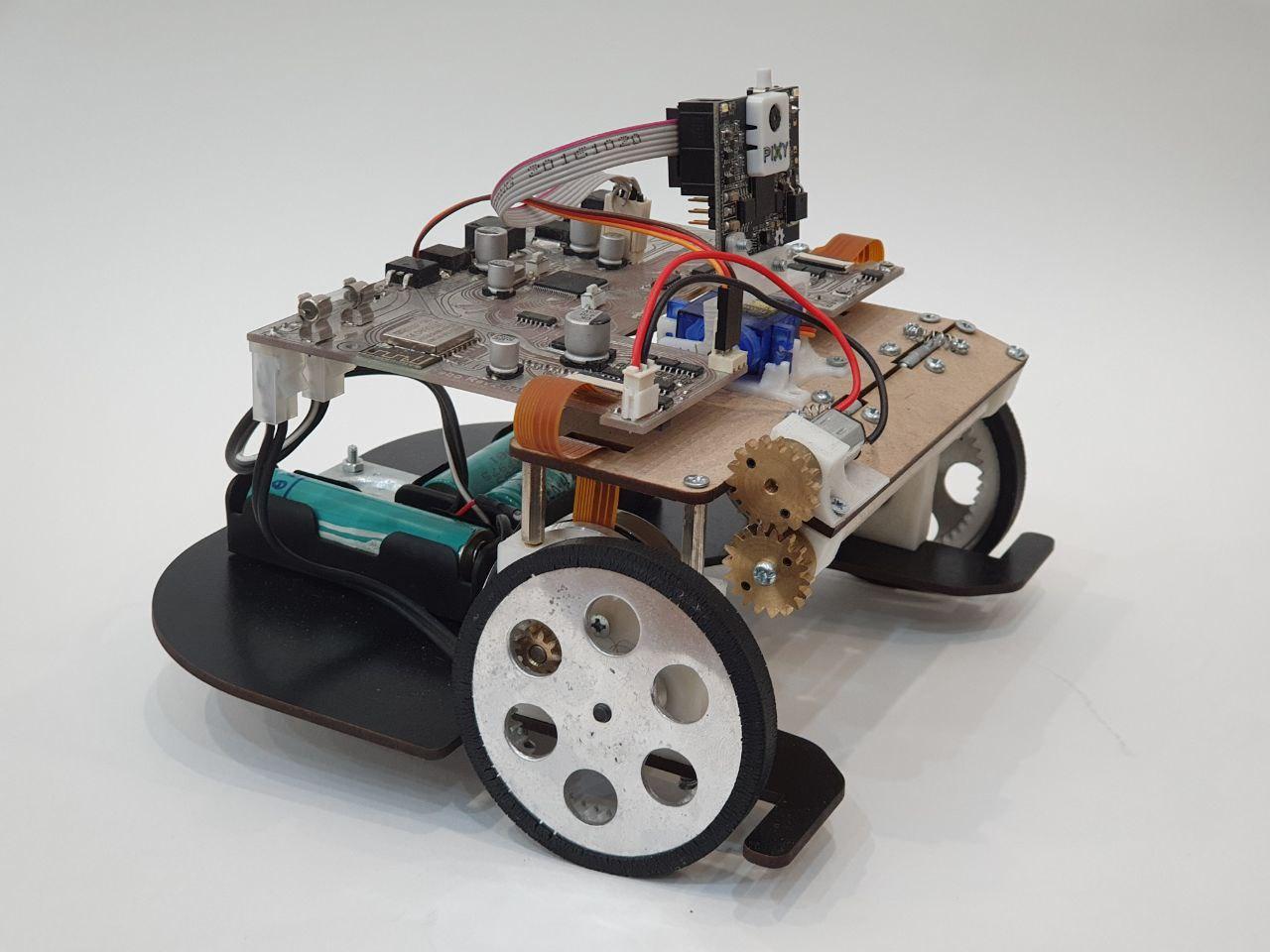
1. Compute got cheap enough. Real-time computer vision on a $200 embedded board was impossible five years ago. Now it's standard. We can fit perception, motor control, and battery into a unit small enough to live in a tennis bag.
2. The world wants more sport robotics. Robotic lawn mowers, robotic vacuums, robotic pool cleaners — every category-defining personal robot has emerged when the price of compute fell below the value of the labour it replaces. We think a tennis-ball-collecting robot is the next one.
3. Canada wants to build this here. The Start-Up Visa Program, the Toronto-Waterloo robotics corridor, and Tennis Canada's appetite for partnership make Canada the right country to start the company.
The plan
Ship ten units in 2023. Thirty in 2024. Several hundred in 2025. Crowdfunding in 2026 to scale to thousands. Clubs and academies in parallel. International distribution after that.
It will not go exactly to plan. It rarely does. But the direction is right.
Thanks for reading. If you want to be one of the first ten — sales@vivetennis.ca.
— Behzad